Step 1: Start with a Weekly “Reality Check”
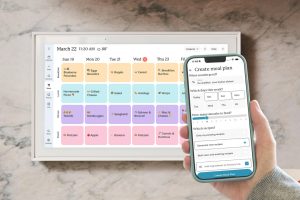 Before you plan meals, look at your calendar. Ask yourself:
- Which nights are we home?
- Which nights are rushed?
- Which nights will we eat late?
- Is anyone out of town?
- Do we need portable meals?
Instead of planning seven elaborate dinners, divide your week into categories: two simple home-cooked dinners, two fast-prep meals, one leftover night, one flexible night, one easy backup option. This structure keeps expectations realistic.
Step 2: Build a “Teen-Friendly Core List”
Meal planning becomes easy when you rotate 10–15 reliable meals. Think: Protein + Carb + Produce
- Grilled chicken, rice, roasted broccoli
- Ground turkey tacos with beans and salad
- Sheet pan salmon, potatoes, green beans
- Stir fry with chicken and frozen vegetables
- Pasta with meat sauce and side salad
The key is not creativity. It is consistency. If your teen has sports practice, aim for lean protein, complex carbs, hydration, a vegetable or fruit
Step 3: Use the 30-Minute Rule
If it takes longer than 30 minutes on a weekday, save it for the weekend. In a busy life, there’s no shame in cutting corners. Try to stick to easy basics:
- Sheet pan meals
- Slow cooker recipes
- Instant Pot basics
- Pre-cut vegetables
- Rotisserie chicken
Step 4: Teach Teens to Help
 Meal planning becomes easier when kids participate. You can assign roles, like one person chooses a meal each week, everyone cooks once per week, and one person is assigned to handles cleanup. This builds independence life skills, responsibility, confidence. Teens who cook are more likely to make better food decisions later in life. Start simple with things like scrambled eggs, stir fry, grilled cheese and soup, taco night, breakfast-for-dinner. These are skills, not chores.
Step 5: Plan for Portable Meals
Some nights you will eat in the car, and it’s better to plan for it than to stress about it. Use this list as a cheat sheet. Make sure you late-nights take advantage of meals on the go:
- Burrito bowls in containers
- Wraps instead of sandwiches
- Protein pasta salads
- Hard-boiled eggs and fruit
- Greek yogurt and granola
- Homemade snack boxes
Having “grab-and-go” containers ready avoids expensive last-minute stops.
Step 6: Keep a Snack Strategy
Teens are always hungry. Instead of fighting it, plan for it. Over the weekend, prepare some guilt-free snacks, but make sure to meet in the middle. If your kids won’t eat the snacks then it defeats the purpose. Come up with a good list together: sliced apples and peanut butter, protein bars, trail mix, yogurt, cheese sticks, muffins, etc.
Step 7: Make One Grocery Trip Count
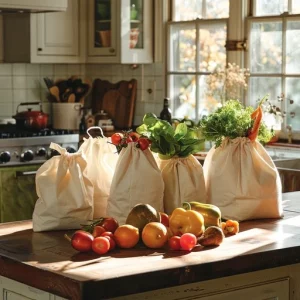 To simplify shopping:
- Create a master grocery list template
- Keep 3–4 freezer backup meals
- Buy versatile ingredients
You can get some versatile items like, chicken breasts, ground beef or turkey, eggs, rice, potatoes, tortillas, frozen vegetables, canned beans. These allow you to pivot midweek if plans change.

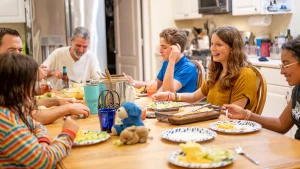 Life with teens changes constantly. Schedules shift, activities run late, and energy levels can be different from week to week. Because of that, it is important to remember that a meal plan is meant to serve your family, not
 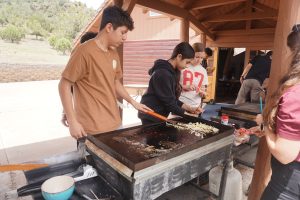 In many ways, these kinds of small, consistent rhythms at home support the same kinds of habits that students develop through programs with the Leadership Society of Arizona. When teens practice responsibility, communication, and thoughtful decision making in everyday settings, those skills begin to feel natural. This is a core principle in all LSA programs. It is reinforced through simple routines that create structure, connection, and shared responsibility. Over time, something as ordinary as planning meals and sitting down together becomes one more way families support the development of confident, capable young leaders.